
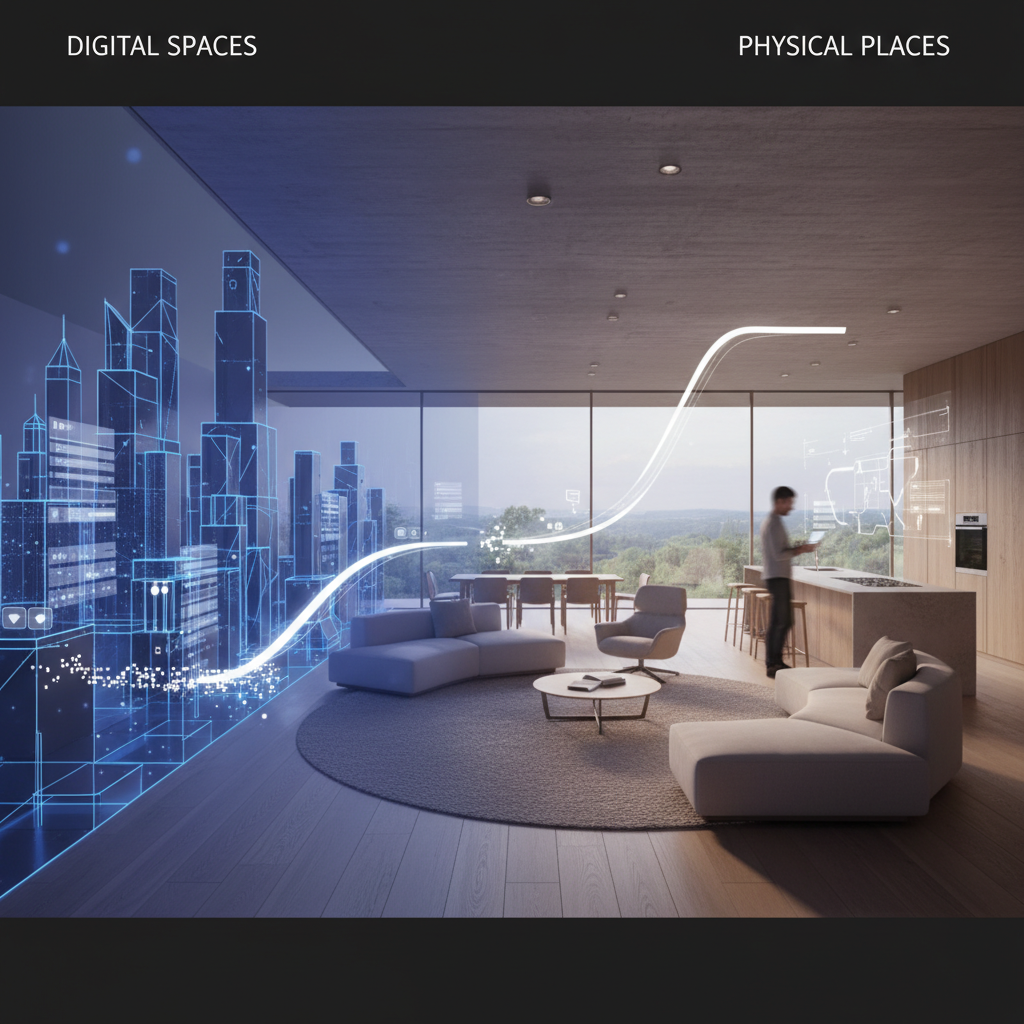
From Digital Spaces to Physical Places: What UI/UX Design Can Teach Us About Modern Home Layouts
As digital designers, we spend our days obsessing over user experience, crafting intuitive website navigation, and building seamless brand identities. We know exactly how a user should flow from a homepage to a checkout screen without a second thought. Interestingly, the core principles we use to build engaging digital spaces are the exact same concepts used to create stunning, highly functional physical places. Whether you are redesigning a mobile app or planning a major renovation Oakville, the ultimate goal remains identical: creating an environment that feels natural, efficient, and beautiful. When we bridge the gap between digital UI/UX strategy and modern home layouts, we uncover a fascinating blueprint for better living.
User-Centric Design: Putting the Homeowner First
In the digital design world, everything starts with the user. We create detailed user personas, map out daily digital habits, and identify common pain points before writing a single line of code. Modern home design requires this exact same level of user-centric thinking. A beautiful house is only successful if it actually supports the lifestyle of the people living inside it on a daily basis.
Think about your daily morning routine as a user journey. When you wake up, where do you go first? If the path from the bedroom to the coffee maker is cluttered, confusing, or poorly lit, your physical user experience drops significantly. Good home layout design anticipates your needs, placing storage exactly where you drop your keys and positioning light switches exactly where your hand naturally reaches in the dark.
By applying a UX mindset to your home, you stop thinking about rooms as just empty boxes with walls. Instead, you start viewing them as interactive zones designed for specific human behaviors. Every doorway, hallway, and furniture arrangement becomes an opportunity to reduce friction and make your daily life smoother, faster, and much more enjoyable.
Wireframing Your Living Space
Before we add colors, typography, or images to a custom website, we build wireframes. These are basic structural outlines that help us figure out where everything should go without getting distracted by the final aesthetics. In the world of home renovation and construction, your floor plan serves as your ultimate physical wireframe.
Skipping the wireframing stage in web development usually leads to a messy, confusing website that frustrates visitors. Similarly, buying furniture or tearing down walls without a solid spatial plan often results in a cramped, awkward home layout. You need to map out the foundational structure first. Where are the load-bearing walls? How does natural light move through the space during the day? How much clearance do you actually need around the kitchen island to cook comfortably?
Taking the time to draft a physical wireframe allows you to test different layouts before making expensive, permanent commitments. You can use painter’s tape on the floor to represent new walls or measure out furniture dimensions, effectively prototyping your living space. This strategic approach ensures that the fundamental structure of your home is rock solid long before the decorative finishing touches are applied.
Intuitive Navigation: Creating Seamless Flow
Have you ever visited a website and felt immediately lost? If you cannot find the menu or the contact page within seconds, you will likely close the tab and leave. This is a classic example of poor digital navigation. In a physical home, poor navigation feels exactly the same. It manifests as awkwardly placed doors, narrow hallways that create traffic jams, and rooms that feel entirely disconnected from the rest of the house.
Intuitive navigation in a home is all about creating a seamless, logical flow from one space to the next. Open-concept layouts have become incredibly popular because they mimic the frictionless scrolling of a modern, single-page application. You can move smoothly from cooking in the kitchen to chatting in the living room without hitting any physical barriers or awkwardly navigating around tight corners.
However, good navigation does not always mean tearing down every single wall in the house. It means creating clear, unobstructed pathways that make sense. Just as a website uses breadcrumbs and clear menus to guide visitors, a well-designed home uses visual cues like flooring transitions, lighting pathways, and architectural arches to guide people naturally through the space.
Visual Hierarchy and Focal Points
Visual hierarchy is a fundamental principle of UI design. We use size, color, and contrast to draw a user’s eye to the most important elements on a screen, like a primary checkout button or a bold headline. If everything on the screen is the exact same size and color, the user gets overwhelmed. Modern interior design relies heavily on this exact same concept to create striking, memorable rooms.
Every room in your house needs a clear focal point, which acts as the primary call-to-action for the space. In a living room, this might be a stunning stone fireplace or a massive bay window overlooking the backyard. In a kitchen, it could be a beautifully crafted island with waterfall countertops. Everything else in the room should subtly support and point toward this main feature, creating a balanced and harmonious environment.
Achieving this level of architectural hierarchy requires incredible skill, planning, and craftsmanship. When you are ready to bring these focal points to life, partnering with experienced professionals is absolutely essential. We highly recommend reaching out to Red Stone Contracting for your next project. Their team understands exactly how to balance structural integrity with stunning visual design, ensuring your home’s physical hierarchy is executed flawlessly.
Responsive Design: Adaptable and Multi-Functional Rooms
Today, a custom website must look and function perfectly whether it is viewed on a massive desktop monitor or a tiny smartphone screen. This is known in the tech world as responsive design. As our modern lifestyles evolve, our physical homes must also become highly responsive. The days of strict, single-use rooms are quickly fading, replaced by adaptable spaces that can change based on the homeowner’s immediate needs.
A responsive home layout embraces multi-functional design at its core. A spare bedroom might need to function as a quiet, focused home office during the workday, a relaxing yoga studio in the evening, and a comfortable guest room on the weekends. Achieving this requires clever storage solutions, modular furniture, and flexible lighting systems that can shift the mood of the room instantly.
Just as a responsive website adapts its layout to fit the user’s current device, a responsive room adapts to fit the user’s current activity. By incorporating sliding doors, fold-away desks, and smart home technology, you can maximize the utility of every single square foot. This approach makes even a smaller home feel incredibly spacious, capable, and perfectly suited to a dynamic modern lifestyle.
The intersection of digital UI/UX strategy and physical home design is truly fascinating. By applying concepts like user-centric thinking, wireframing, intuitive navigation, visual hierarchy, and responsive design, we can transform ordinary houses into highly functional, personalized sanctuaries. Just as a great website makes digital tasks effortless, a brilliantly designed home layout makes daily living an absolute joy.
If you are feeling inspired to upgrade your own physical user experience, do not leave the execution to chance. Translating these high-level design concepts into reality requires a team of dedicated, skilled builders who understand the nuances of modern living spaces. Take the next step in your home transformation journey and visit Red Stone Contracting today to see how they can turn your perfect design blueprint into a beautiful, lasting reality.